
Hanok cafes are located in traditional Korean houses known as hanok. These cafes preserve historical architecture while adapting the space for modern cafe culture.
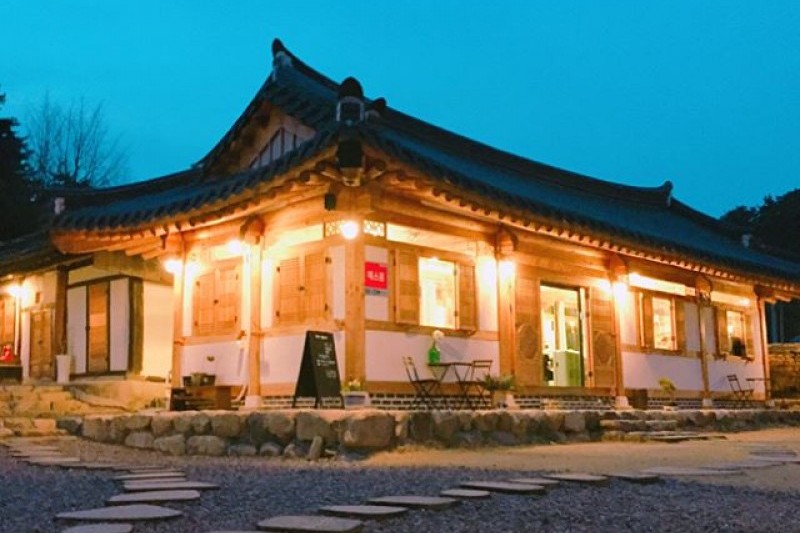
They offer a quiet and reflective environment where visitors can experience traditional Korean design within a contemporary lifestyle setting.
What Is a Hanok?
A hanok is a traditional Korean house built using natural materials such as wood, stone, clay, and paper. Hanok architecture is designed to harmonize with nature, emphasizing airflow, natural light, and seasonal comfort.
Key elements include wooden beams, tiled roofs, sliding doors, inner courtyards, and floor-based spaces.
The Experience of Hanok Cafes
Visiting a hanok cafe is different from visiting a modern cafe. The pace is slower, and the atmosphere feels grounded and calm.
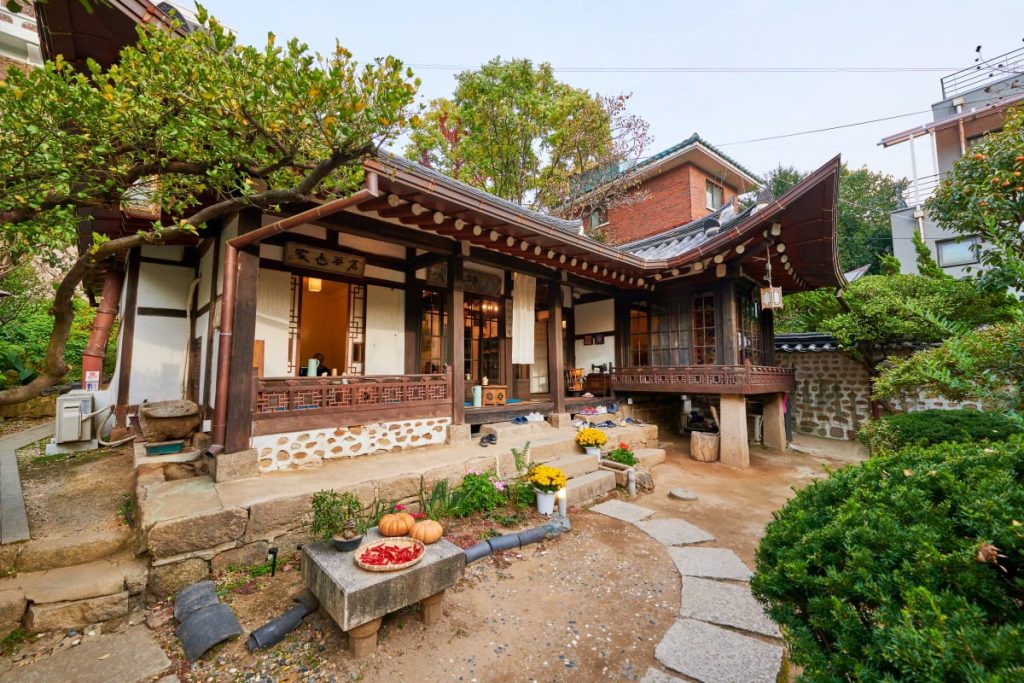
Many hanok cafes encourage quiet conversation and observation. Seating may include floor cushions, low tables, or traditional-style chairs, creating a more intimate experience.
Design and Atmosphere
Hanok cafes preserve original structures while adding minimal modern elements. Lighting is soft and often indirect, highlighting wood textures and architectural details.
Courtyards are an important feature. Many hanok cafes allow visitors to sit near gardens or open spaces, connecting the indoor experience with nature.
Menus in Hanok Cafes
Menus in hanok cafes often reflect the traditional setting. In addition to coffee, these cafes may serve:
- Traditional Korean teas
- Seasonal desserts
- Simple pastries
- Modern interpretations of classic flavors
Presentation is subtle and respectful, matching the atmosphere of the space.
Cultural Significance
Hanok cafes represent a bridge between past and present. They show how traditional Korean spaces can remain relevant within modern urban life.
These cafes are often located in historic neighborhoods and help preserve cultural architecture while making it accessible to everyday visitors.
Visiting Hanok Cafes Respectfully
When visiting a hanok cafe, it is important to be mindful of the space:
- Speak quietly
- Follow seating guidelines
- Avoid moving furniture
- Be respectful of historic structures
Photography is usually allowed, but should be done thoughtfully without disturbing others.
Hanok Cafes as Cultural Spaces
Hanok cafes are not only cafes, but cultural spaces that invite reflection, appreciation, and connection to Korean heritage.
They offer a unique opportunity to experience traditional architecture through the rhythm of modern cafe life.