
In South Korea, cafes are not tied to a single purpose. Throughout the day, the same space shifts from a place of productivity to one of rest and reflection.
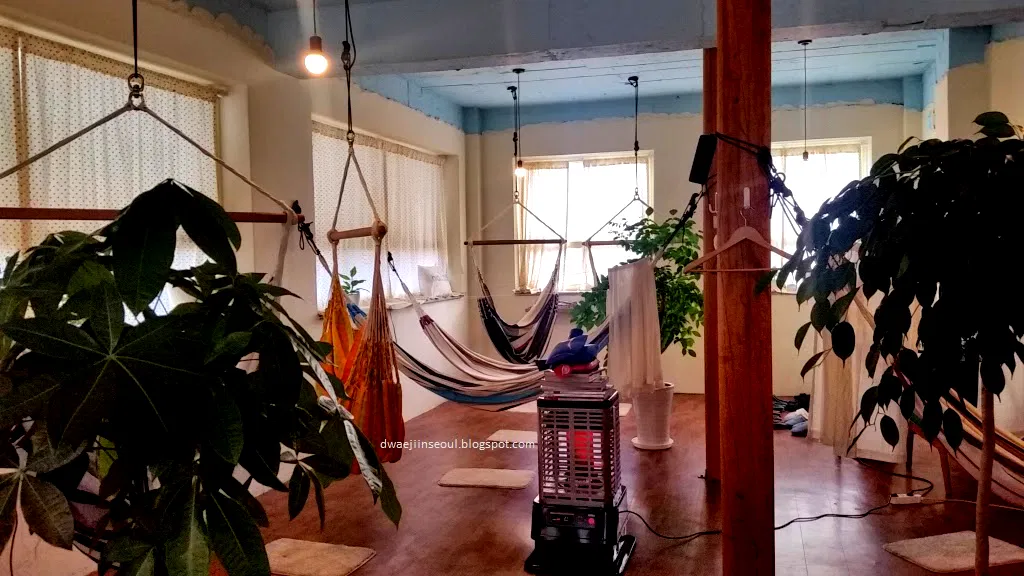
This flexibility makes cafes essential to daily routines.
Morning: Starting the Day
In the morning, cafes function as transitional spaces. People stop by on their way to work or school, often ordering iced Americanos or simple drinks.
The atmosphere is quiet and focused, helping visitors prepare mentally for the day ahead.
Late Morning: Individual Focus
As the day progresses, cafes fill with individuals working alone. Students study, freelancers work, and remote employees settle in.
Cafes provide structure without pressure, offering background presence rather than interruption.
Afternoon: Social and Mental Breaks
In the afternoon, cafes become places for short social breaks. Friends meet briefly, coworkers pause between tasks, and conversations remain light.
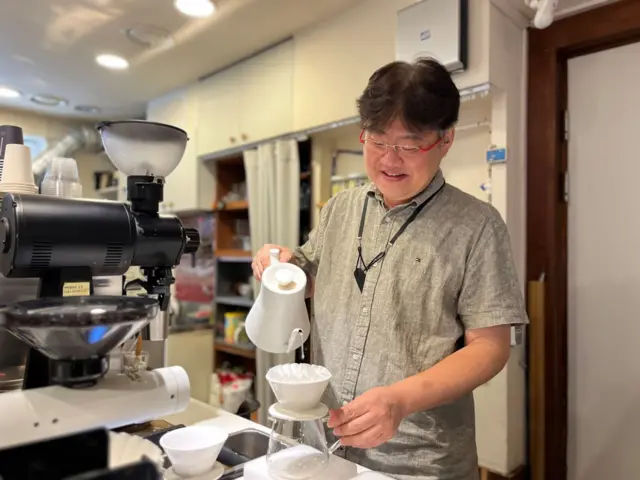
Desserts and seasonal drinks often accompany this shift in mood.
Early Evening: Transition to Rest
After work hours, cafes serve as in-between spaces. People stop by before going home, using the time to decompress.
The atmosphere softens, lighting becomes warmer, and the pace slows.
Evening: Calm and Reflection
In the evening, cafes are quieter. Visitors stay longer, talk softly, or sit alone.
This time is less about productivity and more about presence.
Night Cafes and Extended Hours
Some cafes remain open late into the night. These spaces attract students, night workers, and those seeking quiet companionship.
Late-night cafes offer calm without isolation.
Design Supporting Daily Shifts
Cafe design allows for these transitions. Neutral interiors, adaptable seating, and subtle lighting changes support different uses throughout the day.
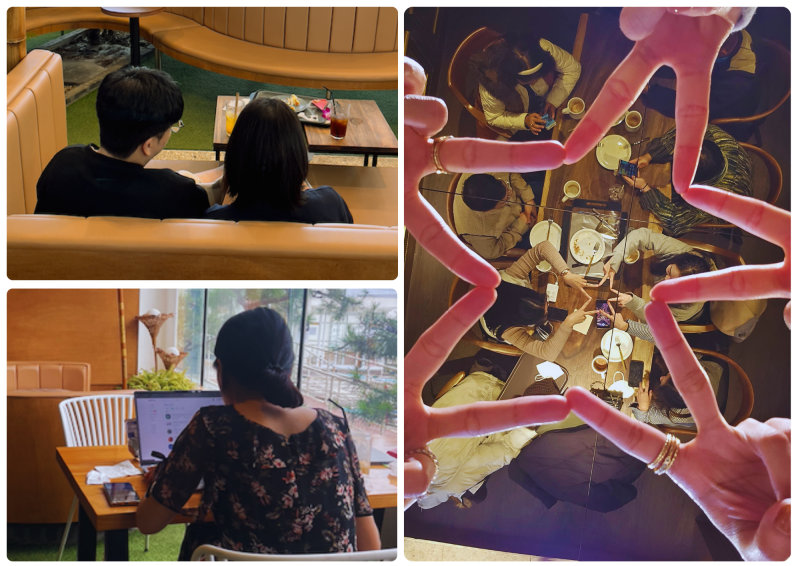
The space evolves without needing to change its structure.
Routine and Familiarity
Many people return to the same cafe at different times of day. This familiarity provides comfort and continuity.
The cafe becomes part of personal rhythm.
Cafes as Emotional Regulators
Cafes help regulate energy and mood. They offer stimulation when needed and calm when required.
This adaptability supports mental balance.
A Space That Moves With Time
From morning focus to evening rest, Korean cafes move with the rhythm of daily life.
They are not destinations, but companions — quietly supporting people throughout the day.